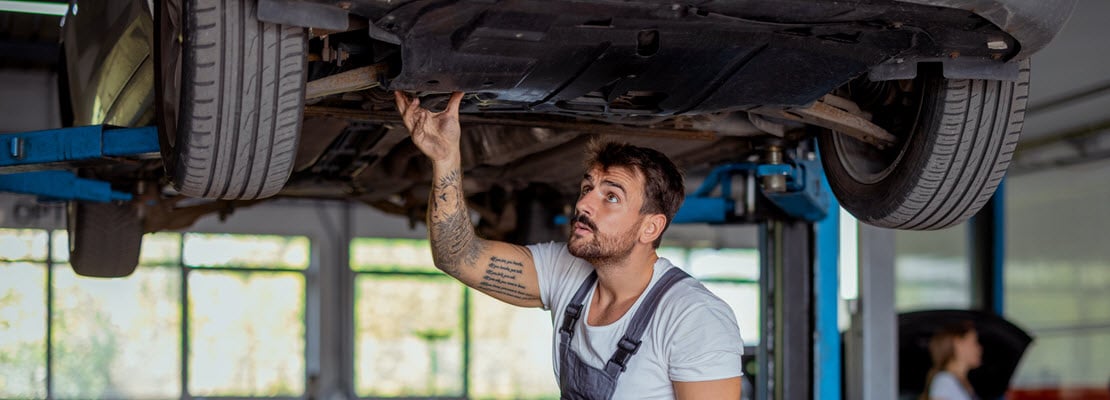
Owning and maintaining a car can be expensive. Costs often increase as a vehicle ages, accumulates mileage and requires additional maintenance or repairs to run properly and safely.
Common recurring vehicle expenses may include:
- Insurance premiums
- Registration, license plate renewal fees and taxes
- Emissions or other required inspections
- Oil and filter changes
- Tire rotation, balancing, alignment and replacement
- Brake, battery, belt and windshield wiper replacement
- Body repairs for dents, scratches and dings
- Fuel
Fortunately, there are practical actions that could help avoid future costs or lower ongoing expenses. Checking for safety recalls, following the recommended maintenance schedule and caring for tires may not require much time, but these steps could help save money on car expenses while keeping a vehicle safer, more dependable and in better condition.
Check for safety recalls. When was the last time you checked your vehicle for an active safety recall? The National Highway Traffic Safety Administration (NHTSA) explains that recalls are issued when a vehicle, tire, car seat or other equipment presents an unreasonable safety risk or does not meet minimum safety standards. Recall repairs often relate to both safety and the proper functioning of a vehicle. Ignoring a recall could increase the risk of an accident, breakdown or additional vehicle damage. Repairs for safety recalls are generally completed at no cost when the vehicle is covered by the recall, making it worthwhile to respond promptly to a manufacturer’s notice. Vehicle owners can search the NHTSA recall database and sign up for recall alerts through NHTSA.gov/Alerts.
Ask about defensive-driving course discounts. Completing a defensive-driving course may qualify some drivers for a discount on their vehicle insurance premiums. Course requirements, eligibility and potential savings vary by insurer and state. Before registering, contact your insurance company and ask:
- Whether it offers a defensive-driving discount?
- Which courses qualify?
- How long does the course take to complete?
- How much does the course cost?
- How many years will a premium discount last?
Courses may be offered online or in person through insurance companies, safety organizations and other approved providers. More information on driving courses is available from the National Safety Council® (NSC), AARP® and the American Automobile Association (AAA). Confirm with your insurer that a specific course qualifies for a discount before paying for or completing it.
Follow your vehicle’s maintenance schedule. Spending a little on preventive maintenance may help avoid larger repair bills later. Oil changes, battery checks, tire rotations and other routine services can help reduce wear, improve reliability and prevent some breakdowns. A breakdown may involve more than a repair bill. It could also require paying for a rental car, public transportation, a ride service or towing while the vehicle is unavailable.
Review the vehicle owner’s manual for its recommended maintenance schedule. Recommended service may vary based on the vehicle’s make, model, age, mileage and driving conditions. If you no longer have the printed manual, an electronic version may be available on the manufacturer’s website.
Keep service records and receipts in one place so you know what work has been completed and when the next service may be due. These records may also be useful when selling or trading in the vehicle.
Protect the vehicle’s exterior. Regular washing can help remove dirt, dust, road debris, insects, bird droppings and other materials that may stain or damage a vehicle’s finish. Follow the manufacturer’s care instructions and use cleaning products designed for automotive finishes. Periodic waxing may provide another protective layer against moisture, sunlight and environmental debris. Consumer Reports, Inc., also offers guidance on washing a vehicle by hand.
If frequent hand-washing and waxing are not practical, rinsing the vehicle periodically may still help remove materials that could affect the paint over time. Pay particular attention to areas where road salt, mud and debris may accumulate. Address scratches and paint chips promptly since exposed metal may eventually develop rust.
Protecting the exterior could reduce the need for paint correction, bodywork or other cosmetic repairs. It may also help preserve the vehicle’s appearance and resale value.
Park under cover when possible. A garage, carport or covered parking deck may help protect a vehicle from weather, falling objects and other types of damage.
Covered parking may reduce exposure to:
- Hail
- Falling branches
- Strong sunlight
- Leaves and tree sap
- Bird droppings
- Ice and snow
- Vandalism or theft, particularly if the car can be placed in a secured area
Consistently parking under cover may help protect exterior paint and reduce the chance of certain repair costs. If you regularly park overnight in a secured garage, ask your insurance company whether that arrangement affects your premium. Insurance practices and available discounts vary.
Keep up with tire care. Proper tire care can support vehicle safety while helping control fuel and replacement costs. The NHTSA notes that properly inflated tires may improve fuel economy and extend tire life. Regular rotation, balancing and alignment can also help tires wear more evenly and last longer.
Check tire pressure when the tires are cool and use the pressure recommended by the vehicle manufacturer. That information is generally available in the owner’s manual or on a label inside the driver’s door area. Do not rely on the maximum pressure printed on the tire as the vehicle’s recommended setting.
Also inspect tires for:
- Uneven wear
- Cracks or bulges
- Embedded objects
- Low tread depth
- Repeated loss of air pressure
Replacing tires is a significant expense. Routine inspections and maintenance may help you use them safely for as long as appropriate.
Small actions may help lower vehicle costs over time
Combining several responsible vehicle maintenance habits may help reduce preventable repairs, extend the useful life of parts and make some ongoing expenses more manageable. Looking for more ideas for managing vehicle expenses?
For more information that may help you manage your costs and finances, explore the free Delta Community Financial Education Center webinars on practical financial topics, including the costs of owning and buying a vehicle.
Please visit the Financial Education Center’s Events & Seminars page to review and register for its no-cost, on-demand webinars.
The Credit Union’s blog also has information that could help you manage vehicle and financing costs:
External sources consulted for this post
External sources consulted include the National Highway Traffic Safety Administration, National Safety Council, AARP®, AAA® and Consumer Reports, Inc.
Unless otherwise specified, information, courses and services offered by organizations other than Delta Community are not endorsed by the Credit Union. They are separate and distinct from any business conducted with Delta Community and are not guaranteed by, nor are they obligations of, the Credit Union. Delta Community has no financial relationship with the external organizations mentioned in this post.